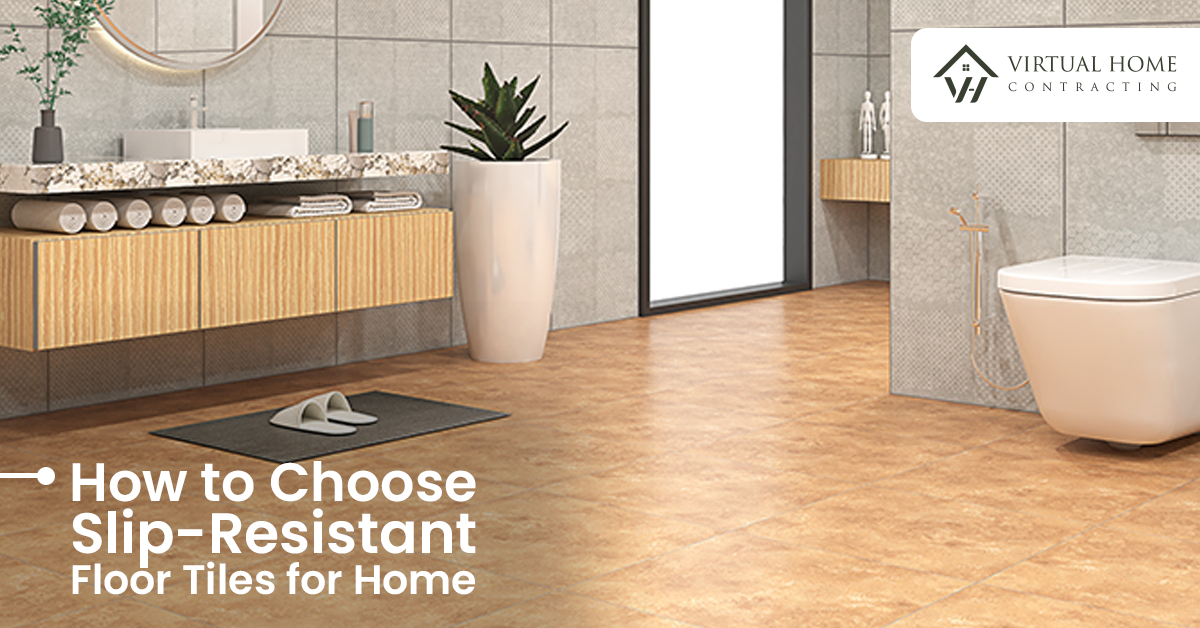
Have you ever slipped on a wet kitchen floor or felt your feet sliding across the tiles after mopping? It happens in many homes, especially where people use polished flooring. Most homeowners spend time choosing tile colours, patterns, and sizes but forget to check how slippery the surface becomes when wet.
In Dubai, people often use the same flooring across living rooms, kitchens, balconies, and outdoor spaces. However, each area needs a different type of tile. A floor that works well in your bedroom may not be safe around your swimming pool. Before you choose tiles, know what materials offer better grip, how slip ratings work and what to ask the supplier.
How to Choose Slip-Resistant Floor Tiles for Home: What to Look for Before Buying
You don’t have to choose rough or unattractive tiles just to make your floor safer. Tile manufacturers offer plenty of colours and designs with slip-resistant finishes. The important thing is to match the tile with the room where you plan to install it.
1. Check the Slip Resistance Rating
When you visit a tile showroom, ask the salesperson about the slip resistance rating. Don’t simply ask whether the tile is anti-slip. Request its technical details.
You may come across these ratings:
- R9: Commonly used for dry indoor floors.
- R10: Often considered for kitchens and areas with occasional water spills.
- R11: Commonly used for outdoor flooring and wet locations.
- R12 and R13: Intended for areas that need greater slip resistance.
These ratings come from tests involving footwear. If you’re buying tiles for a shower or swimming pool area, ask about wet barefoot slip resistance as well.
Remember that a higher rating doesn’t automatically make a tile suitable for every room.
2. Don’t Use the Same Tiles Everywhere
Imagine installing glossy tiles throughout your villa. They may look lovely in the living room, but what happens when water splashes onto the kitchen floor?
Every room has its own flooring needs.
- For living rooms: Choose tiles that feel comfortable and suit your furniture. You can consider matte porcelain or stone-look flooring.
- For kitchens: Look for tiles that offer grip when wet but don’t trap cooking grease.
- For balconies: Choose outdoor-rated tiles that can handle rain, dust, and frequent washing.
- For entrances: Pick durable tiles that can handle wet shoes and daily foot traffic.
When you are designing the Architecture and Interior Design of your home, decide on flooring on a room-by-room basis rather than choosing one finish for the whole house.
3. Understand Matte, Glossy, and Textured Tiles
Many homeowners prefer glossy floor tiles because they reflect light and make rooms look brighter. The problem starts when certain polished surfaces come into contact with water.
Matte tiles don’t have the same shine. Textured tiles have small patterns or raised surfaces that may help your feet grip the floor.
For modern villas, you can explore:
- Matte porcelain tiles for living spaces.
- Wood-look tiles for bedrooms.
- Stone-look tiles for balconies.
- Textured porcelain tiles for outdoor walkways.
One thing to remember: a matte tile isn’t necessarily slip-resistant. Always ask for its tested slip rating.
4. Be More Careful Around Swimming Pools
If you have a Swimming Pool at home, spend extra time choosing the surrounding floor tiles.
People usually walk barefoot around pools, and water constantly reaches the deck. Smooth tiles can become slippery in these conditions.
Ask the tile supplier whether the product has undergone wet barefoot slip testing.
You should also think about Dubai’s hot weather. Some dark tiles become uncomfortable under direct sunlight.
Take a sample outdoors and leave it in the sun before making your choice. Check whether the surface becomes too hot for bare feet.
Also, make sure the pool deck has proper drainage so water doesn’t collect in one place.
5. Think About Cleaning Before Choosing Rough Tiles
A rough surface may give you better grip, but deep grooves can collect sand, dust, and dirt.
This can become frustrating when you clean your floors every day.
For kitchens, choose tiles that don’t hold grease inside their texture. For outdoor areas, look for surfaces that you can wash without spending hours scrubbing.
Ask the showroom staff to demonstrate how to clean the tile. You can also request a sample and test it at home.
6. Consider Children and Older Family Members
Children often run through the house without thinking about wet floors. Older adults may find slippery flooring difficult to walk on, particularly near bathrooms and entrances.
If you have young children or elderly parents in your family, choose flooring that provides enough grip.
Avoid sudden changes in floor height between rooms. Your General Contracting team should check these details before installation.
A tile should feel secure underfoot without being so rough that walking barefoot becomes uncomfortable.
7. Check Drainage Before Installing Tiles
Even slip-resistant tiles cannot solve every problem caused by standing water.
Balconies, pool decks, and other wet areas need a suitable floor slope that directs water towards the drain.
Coordinate with your contractor for plumbing and drainage work during construction to match the tile layout.
Good Mep planning helps position floor drains correctly and prevents unnecessary changes after installation.
Have your contractor inspect the floor base before laying the tiles. Uneven surfaces and poorly finished joints can also create problems later.
8. Choose Colours That Match Your Home
You can find slip-resistant flooring in cream, beige, grey, brown, and natural stone patterns.
For a more modern touch, try large format matte porcelain tiles for your living areas. For outdoor areas, stone-look tiles can work well with garden paths and landscaping.
In a Smart Home, check how your chosen tiles appear under different lighting settings.
Take samples home and compare with your wall colors, furniture and natural light before you commit to order.
Get the Flooring Right Before Installation
Don’t choose tiles based only on showroom displays. Ask about slip ratings, inspect the surface, and check how the material performs when wet.
Whether you are building a new villa or refurbishing an existing home in Dubai, Virtual Home Contracting can coordinate your flooring needs with the overall construction, interior design and pool planning work.
Frequently Asked Questions
1. Which floor tiles are less slippery?
Textured porcelain tiles with suitable slip resistance ratings often provide better grip than highly polished tiles.
2. Are matte tiles good for kitchen floors?
Yes, provided they have suitable wet slip resistance and a surface that’s easy to clean.
3. Which tiles work best around swimming pools?
Choose outdoor tiles tested for wet barefoot use. Also check drainage and surface temperature.
4. Can I use slip-resistant tiles in my living room?
Yes. Many matte and lightly textured porcelain tiles suit living rooms.
5. Do slip-resistant tiles need special cleaning?
Most need regular cleaning, although tiles with deeper grooves may require more scrubbing.