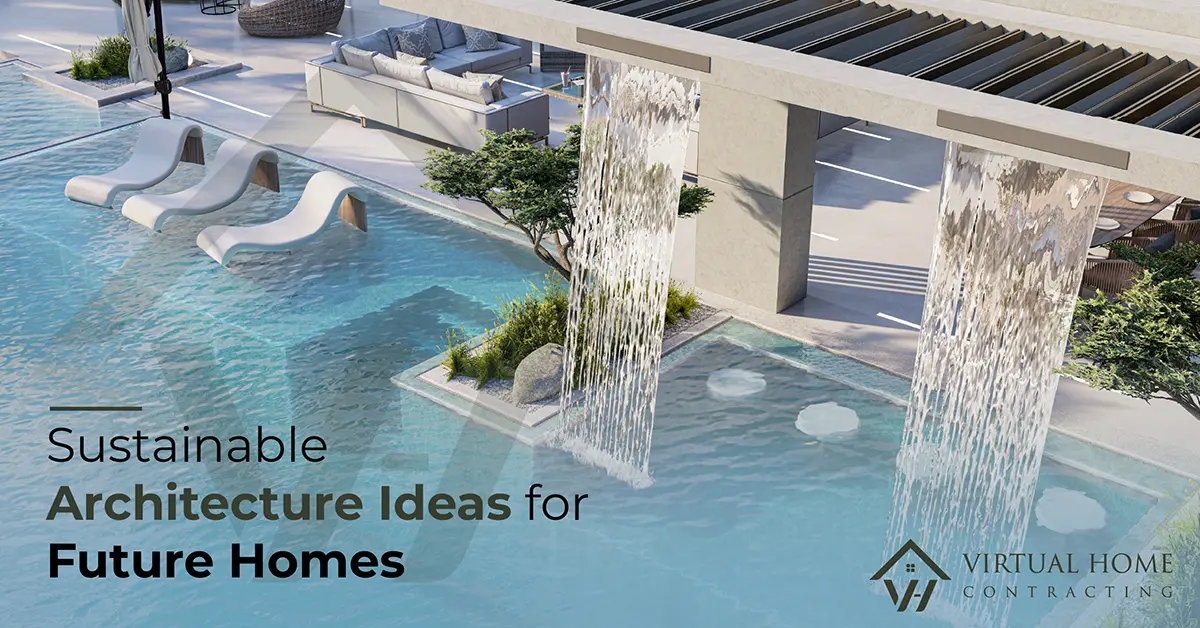
Building a home today is about more than just walls and a roof. People want spaces that feel comfortable, look modern, and respect the environment. A sustainable house does all of that, while also saving energy and water. With eco-friendly houses becoming popular, homeowners are choosing designs that reduce waste and promote healthier living. Many modern homeowners also combine sustainability with smart home technology to improve energy efficiency and convenience.
Designing for Natural Comfort
One way to make a smart homes is through passive design. This means planning your home to use sunlight, shade, and wind to naturally heat and cool spaces. Simple choices like window placement, room orientation, and ventilation can make a big difference. Homeowners planning upgrades often work with villa contractors to create energy-efficient and sustainable spaces.
Tips for passive design include:
- Place windows to let sunlight in during winter and shade in summer
- Use materials that hold heat during the day and release it at night
- Plan airflow through the home for natural cooling
These steps reduce reliance on air conditioning and heating, while keeping your home comfortable year-round.
Using Smart Materials
The materials you choose shape how eco-friendly your house will be. Bamboo, recycled wood, and steel are durable options that leave a smaller environmental footprint. Many homeowners inspired by villa interior now prefer sustainable and stylish materials together.
Benefits of sustainable materials include:
- Long-lasting and strong
- Less energy used during construction
- Support for local suppliers to cut down on transportation emissions
By carefully selecting materials, your eco-friendly house model can be sturdy, modern, and responsible.
Saving Water
Water is a precious resource, and sustainable homes focus on using it efficiently. Installing rainwater harvesting systems, recycling greywater, and using low-flow taps and toilets can reduce water waste. Homeowners in premium villa communities are increasingly adopting these sustainable water-saving solutions.
Other ideas include:
- Smart irrigation for gardens
- Roof gardens to collect rainwater
- Permeable surfaces outside to manage runoff
These practices make your eco-friendly houses more self-sufficient and environmentally friendly.
Energy Efficiency
Energy-efficient technologies are a key part of modern homes. Solar panels, LED lighting, and smart monitoring systems can save electricity and reduce costs. Many homeowners also improve comfort by learning how to improve heat insulation for better energy performance.
The benefits include:
- Lower energy bills
- Reduced carbon footprint
- A home that can run more independently
Modular and Flexible Homes
Using prefabricated or modular construction is growing in popularity for eco-friendly houses. These homes are faster to build, create less waste, and allow layouts to be changed over time.
Advantages include:
- Quick construction
- Flexible floor plans
- Easier to include energy-saving systems
A modular design combined with sustainable materials makes a home adaptable and ready for future needs.
Healthy Living Spaces
Sustainable homes focus on the people living inside, not just the environment. Good airflow, natural lighting, and non-toxic paints or finishes create healthier interiors.
Benefits include:
- Cleaner indoor air
- Reduced exposure to chemicals
- A more comfortable and calming space
These choices help your sustainable home feel welcoming, safe, and enjoyable.
FAQs
1. What makes a house eco friendly?
It uses sustainable materials, saves energy and water, and reduces its environmental impact.
2. How can I make my home sustainable?
Incorporate solar panels, passive design, water-saving systems, and eco-friendly building materials.
3. Are sustainable homes expensive?
Not necessarily. Using local materials, modular design, and energy-saving systems can make them affordable while reducing long-term costs.
4. Can modular homes be eco friendly?
Yes. Modular homes create less waste and can include energy-saving features from the start.
5. How does sustainable design benefit health?
Better airflow, natural light, and non-toxic finishes make the indoor environment healthier and more comfortable.